Marijuana use can have negative and long-term effects:
brain
health
: marijuana can cause permanent iq loss of as much as 8 points when people start using it at a young age. These iq points do not come back, even after quitting marijuana. Mental health: studies link marijuana use to depression, anxiety, suicide planning, and psychotic episodes. It is not known, however, if marijuana use is the cause of these conditions. Athletic performance: research shows that marijuana affects timing, movement, and coordination, which can harm athletic performance.
 Driving: people who drive under the influence of marijuana can experience dangerous effects: slower reactions, lane weaving, decreased coordination, and difficulty reacting to signals and sounds on the road.
Like other substances, frequent use of marijuana can increase your tolerance, which means it may take more to achieve the same effect. This can often lead to dependence, which occurs when your body adapts to a particular drug or substance, leading you to desire larger or more frequent doses. Using marijuana less frequently has also been shown to lower the risk of dependency, negative mental health symptoms and long-term health effects. Not sure if you need to reduce your frequency? here are a few questions to help you reflect on your current use: is my consumption adversely affecting my productivity, school performance or job performance?.
Help is always available to anyone dealing with substance abuse. If you or someone you know are struggling with marijuana addiction, you can find support. Call the substance abuse and mental health services administration helpline at 1-800-662-help (4357). A note from cleveland clinic marijuana use is not always harmless and can lead to addiction. Dealing with any addiction is hard, but you can overcome it. Talk to your healthcare provider to learn about health effects of marijuana and start your road to recovery.
Adult-use marijuana , mass. Cannabis control commission. Resources outlining massachusetts laws regarding recreational marijuana including information on: who can buy, who can use, how much you can carry on you, how much you can grow, where you can legally consume, a dispensary list, how to store marijuana, and violations and penalties. Can i be fired because i use medical marijuana for a disability?, nolo. Com. Addresses conversations regarding medical marijuana and employment law. See also: workplace drug testing and off-duty marijuana use. More about mj , mass. Cannabis control commission. Resources with educational information regarding: marijuana 101; health effects and safety; marijuana and pregnancy; how to talk to children and teens about marijuana; and growing marijuana and making products at home.
Marijuana: How Can It Affect Your Health?
Marijuana can be harmful in several ways. Some of these are felt right away. Others
damage a person's health over time. Marijuana affects short-term memory and the ability
to handle difficult tasks. When using stronger types of marijuana, even simple tasks
can be difficult. The drug affects a person's ability to understand and also their reaction time. So
users get in car crashes more often than people who don't use marijuana. They also
may have more risky sexual behavior. There is a strong link between drug use, unsafe
sex, and the spread of sexually transmitted infections. Students who use marijuana may find it hard to study and learn because it hurts the.

Several states in the u. S. Have approved the use of marijuana for medical and/or recreational use. Veterans should know that federal law classifies marijuana as a schedule one controlled substance. This makes it illegal in the eyes of the federal government. The u. S. Department of veterans affairs is required to follow all federal laws including those regarding marijuana. As long as the food and drug administration classifies marijuana as schedule i va health care providers may not recommend it or assist veterans to obtain it. Veteran participation in state marijuana programs does not affect eligibility for va care and services.
Cannabis is considered to have a high margin of safety for people; however, not all people, and certainly not all pets, follow a single pattern of intoxication. A small amount may affect one pet more than another, so there is no official safe level of exposure. Differences in age, health status, and body size are some of the factors that can lead to toxicity differences. "a small amount may affect one pet more than another. "luckily, cannabis intoxication is seldom fatal. The average marijuana cigarette contains about 150 mg of thc. The minimum lethal oral dose of thc in pets is fairly high; however, deaths have been noted after ingestion of foods containing highly concentrated cannabis, such as medical-grade thc.
Risk of Using Other Drugs
Marijuana is often described as one of the safest drugs out there, in part because it’s never been definitively linked to an overdose death and it’s broadly safer than other drugs like alcohol, tobacco, cocaine, and heroin. And while the national academies’ report doesn’t find evidence of a marijuana overdose death, it does add a few wrinkles to the narrative of marijuana as a safe drug. For one, the report finds “substantial evidence” of marijuana’s negative effects for a few conditions. For long-term marijuana smokers, there’s a risk of worse respiratory symptoms and more frequent chronic bronchitis episodes. For pregnant women who smoke pot, there’s a risk of lower birth weight for the baby.
How do people use marijuana?
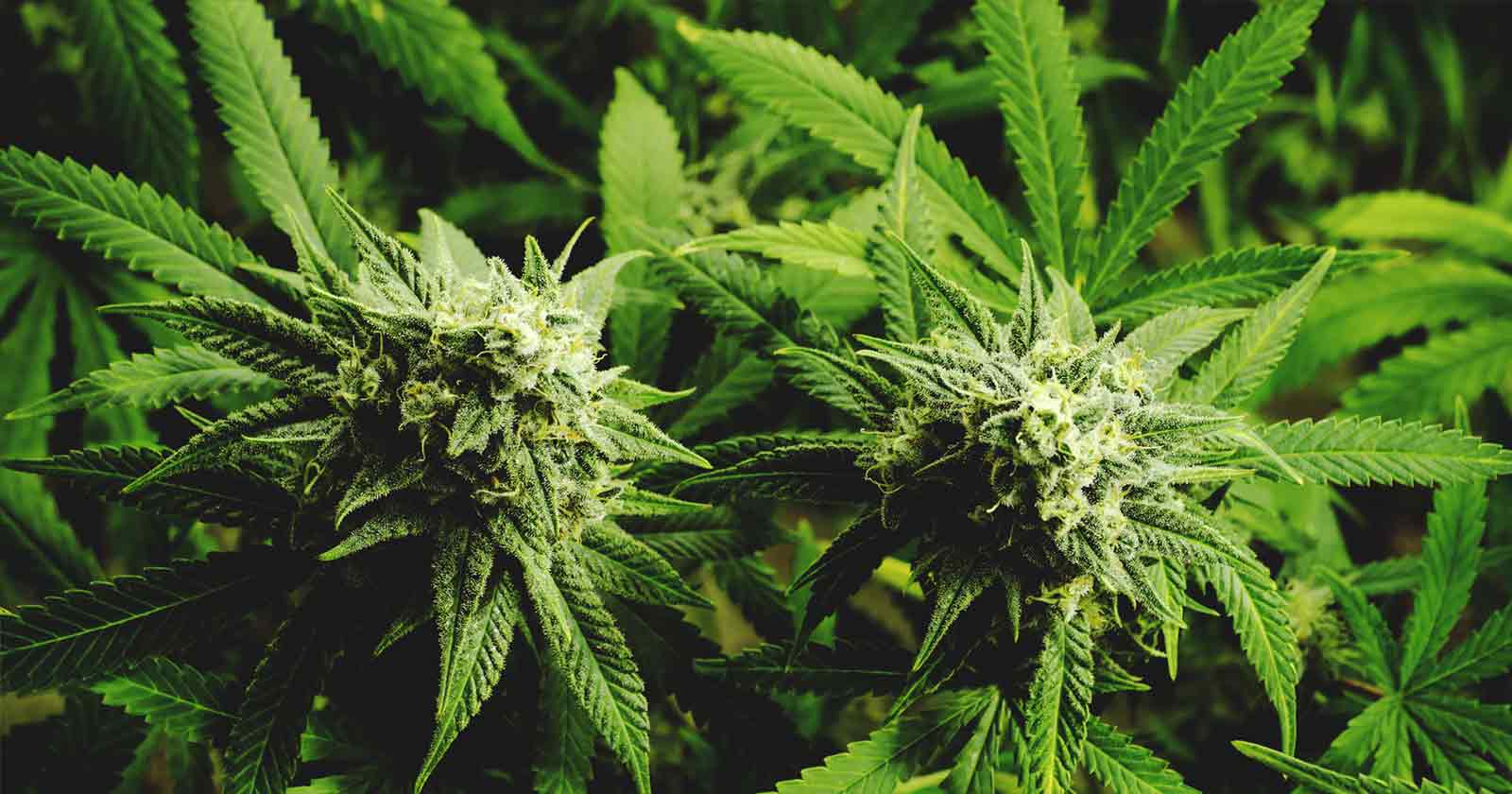
Marijuana is one of the most abused drugs in the world. There is an ever-growing gap between the latest science about marijuana and the myths surrounding it. Some people think that since it is legal in some places, it must be safe. But your body doesn’t know a legal drug from an illegal drug. It only knows the effect the drug creates once you have taken it. The purpose of this publication is to clear up some of the misunderstandings about pot. Marijuana comes from the indian hemp plant, and the part that contains the “drug” is found primarily in the flowers (commonly called the “buds”) and much less in the seeds, leaves, and stems of the plant.
The most common use for medical marijuana in the united states is for pain control. While marijuana isn't strong enough for severe pain (for example, post-surgical pain or a broken bone), it is quite effective for the chronic pain that plagues millions of americans, especially as they age. Part of its allure is that it is clearly safer than opiates (it is impossible to overdose on and far less addictive) and it can take the place of nsaids such as advil or aleve, if people can't take them due to problems with their kidneys or ulcers or gerd. In particular, marijuana appears to ease the pain of multiple sclerosis, and nerve pain in general.
Common side effects of using weed are; changes in blood pressure, increases in heart rate, dizziness or drowsiness, facial flushing, gastrointestinal disturbances, increased risk of developing a mood disorder, and some impairment in respiratory function. Weed (pot/marijuana/cannabis sativa) is now legal in the majority of states as medical marijuana. Some states have legalized recreational pot use as well. Weed may be used to help relieve chronic pain or nausea caused by chemotherapy. Some people believe it may also help reduce symptoms of multiple sclerosis, seizures, or some other conditions. But there is still a lot to learn about marijuana.
Marijuana and teens no. 106; updated september 2023 many teenagers try marijuana and some use it regularly. Teenage marijuana use is at its highest level in 30 years, and today's teens are more likely to use marijuana than tobacco. Many states allow recreational use of marijuana in adults ages 21 and over. Recreational marijuana use by children and teenagers is not legal in anywhere in the united states. Today's marijuana plants are grown differently than in the past and can contain two to three times more tetrahydrocannabinol (thc), the ingredient that makes people high. The ingredient of the marijuana plant thought to have most medical benefits, cannabidiol (cbd), has not increased and remains at about 1%.
How does marijuana affect the brain?
Cannabis is a green or gray mixture of dried, shredded flowers and leaves of the hemp plant. This mixture is most commonly known as marijuana, and it affects the areas in the brain responsible for movement and memory. It is the most often used illegal drug in the united states. Marijuana in its smoked form has no commonly accepted medical use. However, the active chemical in marijuana is manufactured into a pill available by prescription. This prescription drug is used to treat the nausea and vomiting that occur with certain cancer treatments and to help aids patients eat more to keep up their weight.


No comments:
Post a Comment